Infected Tooth Emergency: When Is Immediate Extraction Necessary?
When a tooth infection hits hard, it can feel unfair how fast things change. One day you are chewing through tenderness, the next day you are struggling to sleep because your jaw throbs. Sometimes the swelling pushes into your cheek or under your jaw. Sometimes the pain spikes even after you take a pain reliever. And in a few cases, the infection escalates to the point where the question becomes urgent, not just uncomfortable: is immediate extraction the right move for an infected tooth emergency?
I’ve seen patients in urgent dental visits where everyone is trying to make the same decision at the same time. They want relief. They want to keep their tooth if possible. And they also want to avoid the moment when waiting becomes https://emergencydentistmaidenhead.co.uk the more dangerous option. The tricky part is that “extraction” is not a punishment, it is a tool. The right time depends on what the infection is doing, not just how it feels.
Signs that point to emergency tooth removal
Not every infected tooth needs immediate extraction. Many infections can be treated with drainage, root canal therapy, or another approach depending on the tooth and the patient. But certain patterns raise the stakes quickly.
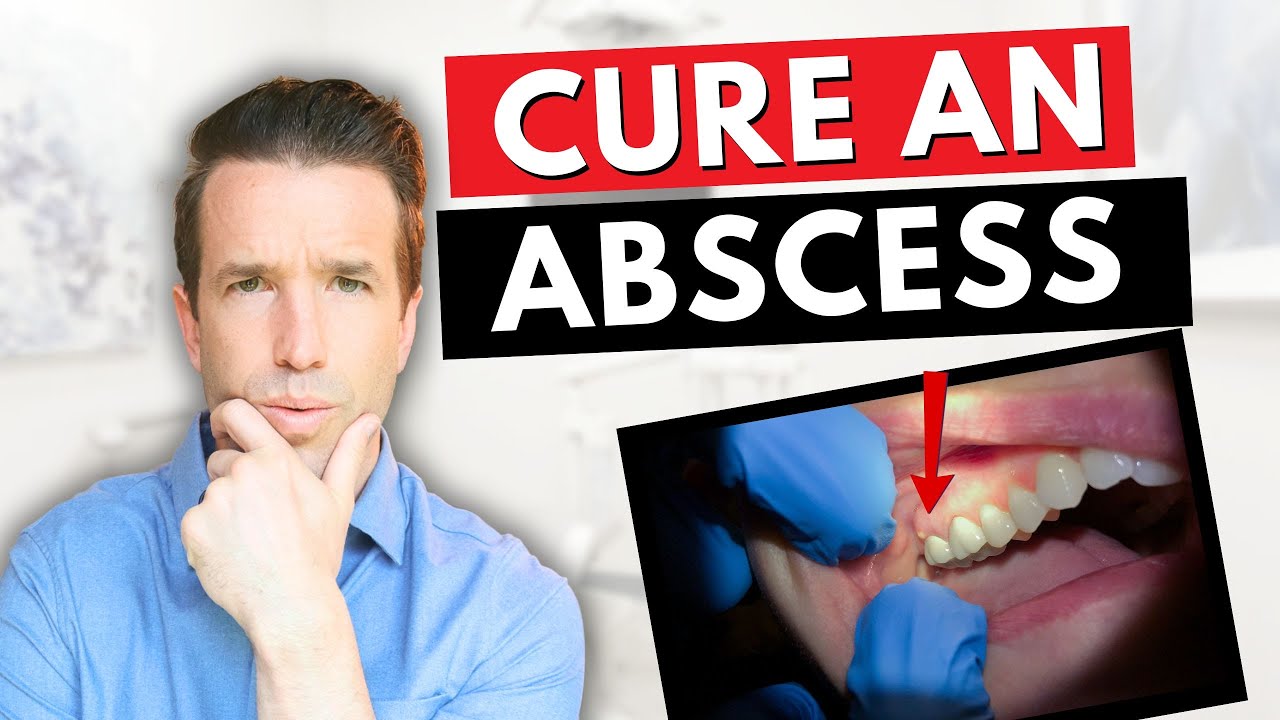
In practice, these are the signs that make dentists think, “This may not be a watch-and-wait situation,” and they start discussing whether extraction needs to happen fast, including the tooth extraction infected tooth emergency scenario.
- Rapidly spreading swelling, especially if it is moving toward the neck or under the jaw
- Fever, chills, or feeling generally ill, beyond normal pain discomfort
- Difficulty swallowing, breathing, or opening the mouth comfortably
- Pus drainage, a foul taste, or a rapidly growing “pimple” on the gum
- Significant tooth mobility, meaning the tooth feels loose or the supporting bone is compromised
A patient story that stays with me involved someone who said, “It doesn’t just hurt, it feels like it is swelling from the inside.” By the time they arrived, their face was noticeably puffy, they were struggling to open their mouth, and their gum showed clear drainage. Even when we try to preserve teeth, severe infection plus functional symptoms changes the urgency. The goal becomes stopping the source of infection efficiently.
When extraction is urgent versus when it is optional
The most helpful way to think about an infected tooth emergency extraction process is not as one uniform pathway. It is a decision tree guided by severity, anatomy, and how much risk remains if treatment is delayed.
Immediate extraction is more likely when the infection is effectively beyond what can be managed through simpler measures, or when preserving the tooth would mean prolonging the danger. That can happen when:
- The tooth is extensively damaged, broken below the gumline, or structurally hopeless
- There is a large abscess with signs the surrounding tissue is significantly compromised
- A root canal has already been attempted or is unlikely to be successful due to anatomy
- The tooth’s position makes other options more risky or less effective in the moment
- The patient has systemic symptoms that indicate the infection is spreading
On the other hand, extraction may be optional when the tooth still has enough structure to support definitive treatment. Many people hear “infection” and assume the tooth must come out right away. In reality, dentists often try to stabilize things first, then move toward the most reliable long-term solution. That could mean drainage plus antibiotics when appropriate, followed by root canal treatment or another restoration plan.
One nuance that matters: emergency does not always equal extraction. Sometimes the immediate need is for drainage or to remove pressure, even before deciding on the final tooth plan. When patients ask whether immediate removal is necessary, I usually respond with a careful question: “What is the infection doing today, and what will it likely do in the next 24 to 48 hours if we don’t act decisively?”
The clinical factors behind “signs extraction needed for infected tooth”
Even when the pain and swelling look dramatic, the decision hinges on information you cannot reliably get from symptoms alone. Imaging, exam findings, and the tooth’s condition all play a role. Dentists look for evidence that supports the phrase signs extraction needed for infected tooth because the infection is not just present, it is threatening the surrounding structures.
Here are the most common clinical factors I consider in real settings:
-
Location and spread of the infection
Infections around upper molars, lower molars, and front teeth can behave differently based on where they drain and how spaces in the face and jaw connect. If the infection is tracking in a way that suggests deeper involvement, extraction may be favored sooner. -
Tooth restorability and structural integrity
A tooth that is fractured, decayed extensively, or failing at the gumline may not be salvageable. Preserving a tooth that cannot hold a reliable restoration can turn into a long cycle of re-infection. -
Response to initial stabilization
If drainage or initial treatment improves symptoms quickly, that suggests the infection is controllable. If it keeps worsening, that is a sign the source may need to be removed. -
Timing and patient risk factors
Some patients are more vulnerable because of medical conditions, medication impacts, or immune suppression. When risk is higher, the threshold for emergency tooth removal may be lower. -
Patient ability to tolerate follow-up care
If a patient cannot return quickly for definitive therapy, the safest path may be the one that resolves the infection at the source sooner.
It also helps to be honest about the trade-offs. Extraction is not always the best option for comfort and cost in the short term, and it can mean more planning for replacement later. But if extraction prevents the infection from spreading or recurring, it often ends up being the most compassionate decision.
The emergency tooth removal process, step by step
People search for tooth infection emergency extraction process because they want to know what happens during the worst part of their week. If you are facing that possibility, here is what the process often looks like in a practical, patient-centered way.
Step 1: Rapid assessment and stabilization
The dentist or oral care team checks your vital symptoms, pain level, swelling pattern, and ability to swallow and breathe comfortably. If you have severe swelling or systemic symptoms, they may recommend urgent hospital evaluation.
Step 2: Imaging and exam
Radiographs help show whether the infection is localized to the root, associated with bone loss, or complicated by other dental issues. The exam also assesses gum drainage, tooth mobility, and the extent of tissue involvement.
Step 3: Decide the safest definitive source control
If the tooth is likely the source and other approaches would be unsafe or unreliable, immediate extraction may be recommended. If the infection is more manageable with drainage first, the team may address that immediately and revisit the definitive plan.
Step 4: The extraction and immediate aftercare
When extraction is performed, the goal is complete source removal and minimizing trauma. Aftercare usually includes guidance on bleeding control, pain management, and what to watch for over the next days.
Step 5: Follow-up planning
Even after extraction, infections can leave tenderness in the area for a bit. Follow-up ensures healing is on track and confirms no ongoing infection is brewing.
If you are wondering how “immediate” becomes a decision, it usually comes down to whether delaying risks progression. When time matters, it is because the infection can move through tissue planes faster than pain signals alone.
What you can do right now while arranging emergency care
If you suspect an infected tooth emergency, the priority is getting evaluated promptly. While you are arranging care, these steps can make you safer and more comfortable.
- Rinse gently with warm salt water, a few times a day, without forcing pressure
- Use cold packs on the cheek for swelling, 10 to 15 minutes at a time
- Take pain medication only as directed on the label or by your clinician
- Avoid heat on the face or jaw, it can worsen swelling
- Do not place aspirin directly on the gum or tooth, it can burn tissue
And if you notice breathing difficulty, trouble swallowing, or rapidly worsening swelling, treat it as an emergency that needs immediate medical attention.
Waiting is tempting when the pain comes in waves. I understand that instinct. But infections rarely improve just because you can tolerate them for a few more hours. If your exam shows the infection is advanced, immediate extraction may be the safest way to stop the problem at the source.
If you want to know whether your case points to tooth extraction infected tooth emergency territory, the best move is a same-day dental evaluation with an exam and imaging when possible. Symptoms guide urgency, but treatment decisions rely on what the tooth and tissues are actually doing.